 383ff9cf2d
Two real store photographs, chosen for density and for products that look different
from each other, each with its own enrolled store:

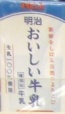
  demo-images/demo-image-1-mediya-dairy.jpg   CC0        MEDIYA dairy case
      21 products kept (13 price cards dropped), 16 recognised, all 14 products named
  demo-images/demo-image-2-milk-case.jpg      CC BY 2.0  supermarket milk case
      56 detections, 49 recognised, all 13 products named

Both were enrolled the way a store would be: the products were read off a contact
sheet of the detections, their crops became the store's gallery (stock-mediya,
stock-milk150), and a head was trained on them. `build_store_from_shelf.py` is that
flow.

The filter came out of the first image. Every Japanese supermarket photo has the same
artifact: the detector boxes the shelf-edge price cards as products, because a card is
roughly the shape of a pack - 13 of 34 detections on image 1 were cards. Their text
separates them cleanly: a card's characters are 30-44% digits and it prints the
tax-excluded price (本体), while a product's are 3-19% digits. Cards are now dropped
before classification, and the count is reported as `price_cards_dropped` rather than
hidden.

demo-images/README.md records how to run both, what the demo shows, and the honest
caveat: both shelves are enrolled, so the recognition rate is in-distribution - what
the app does on a shelf it has been onboarded to, not on one it has never seen.

175 tests pass.

Co-Authored-By: Devin <158243242+devin-ai-integration[bot]@users.noreply.github.com>
4.4 KiB
65x114px
4.4 KiB
65x114px